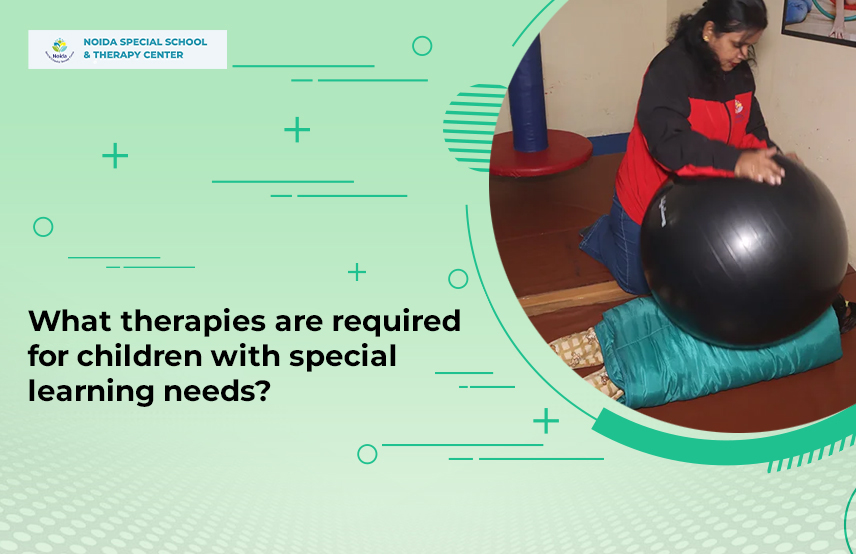
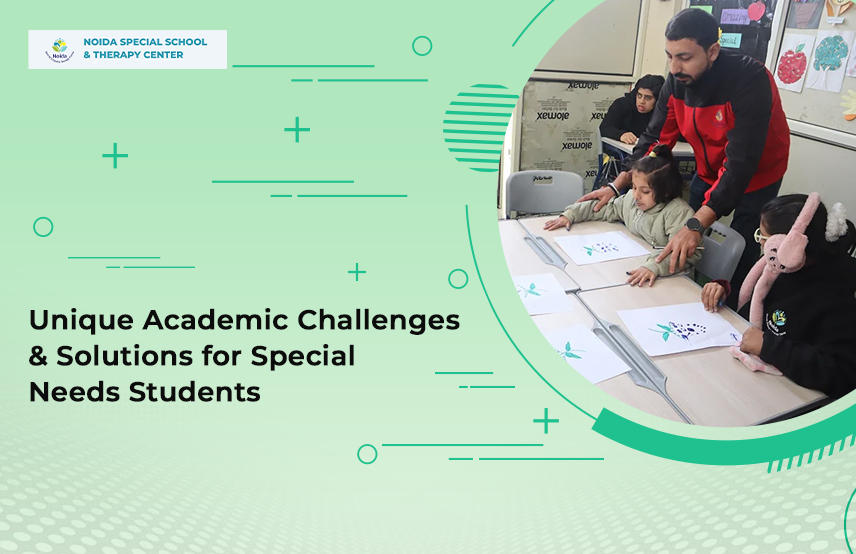
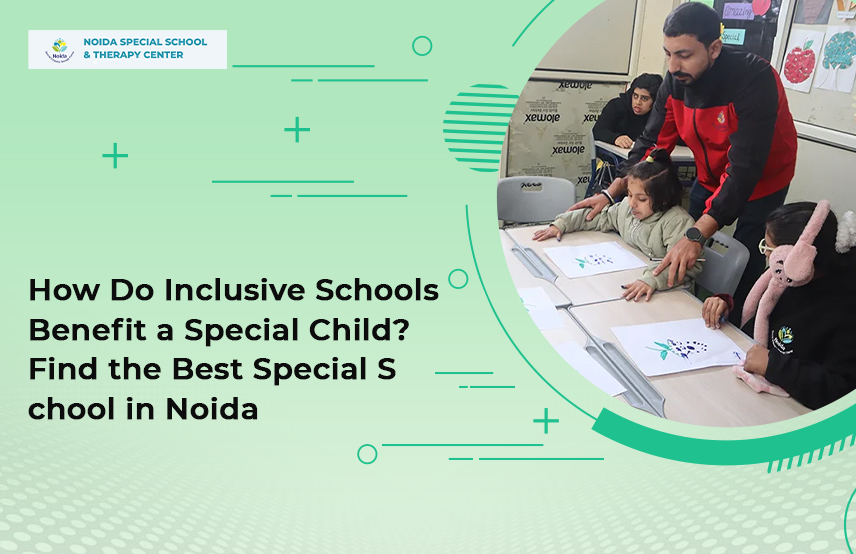
We are a school for children with special needs using a multi-disciplinary approach. Our aim is to provide a caring and sensitive environment to the students and nurture skills that will assist them in independent living.
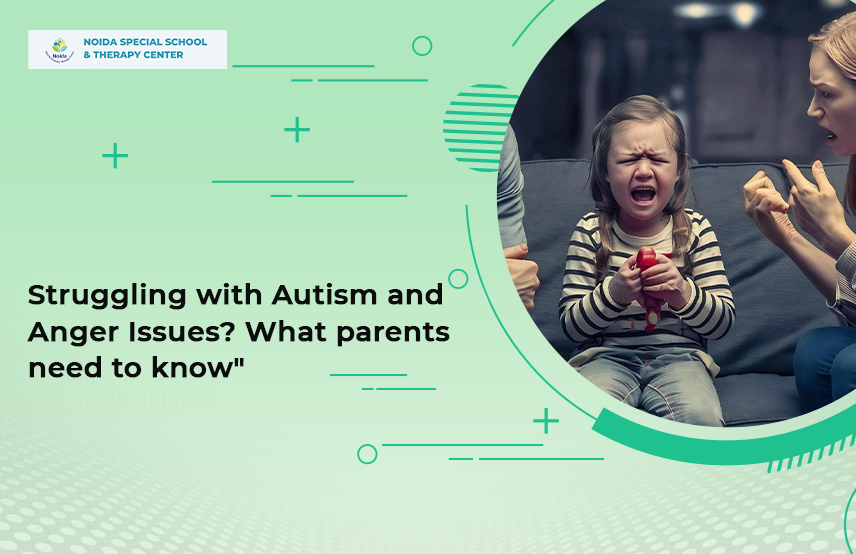
Have you ever seen your child explode into anger and wondered why it happens, and is it normal or not? You’re not alone, as this is common among children with autism and is manageable with the right support and guidance.
In this special guide, we will tell you if your child is struggling with autism and anger issues? What parents need to know – so ensure you read it till the end to know about the following:
Autism, or Autism Spectrum Disorder, is a type of developmental condition that affects how an individual interacts with others. It creates difficulty for children in managing their emotions, communication, and sensory processing.
Autism often occurs in early childhood, which causes them to struggle with social and behavioural challenges. Children with autism often struggle to read facial expressions, respond whenever someone calls their name, face delay in speech, have difficulty understanding gestures, and so on.
The following are some reasons why children with autism experience anger issues. Read them to know what they feel and want to convey instead of their anger:
Communication Challenges: Autistic children often cannot find the right word or do not have any specific tool to express how they feel or what they want to say, which makes them feel frustrated, leading them to show anger.
Sensory Overload: Children dealing with autism are often hyper-sensitive to louder noises, brighter lighting, crowded places, and more, which can trigger them, making them feel uncomfortable and cranky.
Changes in Routine: Autistic children often show repetitive movements and follow an organised routine; a slight change in that routine can impact their mood and overall behaviour.
Unfulfilled Needs: Special children require special care because they face developmental challenges and see and experience the world differently, which is why it is necessary to understand when they feel hungry, discomfort, and more.
The following are some signs of anger issues in children with autism that can act as early warning signs for parents.
Mentioned below are some advice and strategies a parent should follow to manage the anger of their autistic child:
Identify Triggers: Always notice and look for the patterns that make your child uncomfortable, which results in them becoming cranky, and maintain a behaviour diary (if possible) so that you can prevent them from becoming angry.
Create a Structured Routine: Create an organised routine for your child, as children suffering with autism often feel uneasy when they face a situation they don’t know how to deal with.
Teach Communication Skills: Teach your child how to communicate their feelings in simple language or by using the picture exchange communication system (PECS) so they can tell you what’s bothering them and don’t become aggressive.
Positive Rewarding: Encourage your child to express their emotions or feelings and reward them for being calm or handling the situations calmly instead of suppressing or ignoring them or their issues.
If your child is suffering from autism and anger issues, don’t let them live like this; instead, visit a special therapy centre. If your child remains angry frequently or has severe anger issues; harms themselves or others; their daily functioning is affected; or they show more signs like this, then consult a special therapist as soon as possible.
Special therapists and special education schools often provide therapies like occupational therapy, applied behaviour analysis (ABA), and speech therapy to help your child express their feelings and emotions better without any fear or hesitation.
Autism and anger issues are correlated with each other and are treatable; however, the progress takes time. If your child is suffering with autism and anger issues, remember that with patience and consistency, you can see small improvements, and every minor improvement matters.
With Noida Special School, you’re not alone, as you can always consult and take help of professional special therapists. So, visit our website at www.noidaspecialschool.com now to provide the best care to your child.
April 09, 2026
March 30, 2026
March 26, 2026
March 13, 2026
March 06, 2026
February 28, 2026
February 24, 2026
No FAQs Available.