We are a school for children with special needs using a multi-disciplinary approach. Our aim is to provide a caring and sensitive environment to the students and nurture skills that will assist them in independent living.
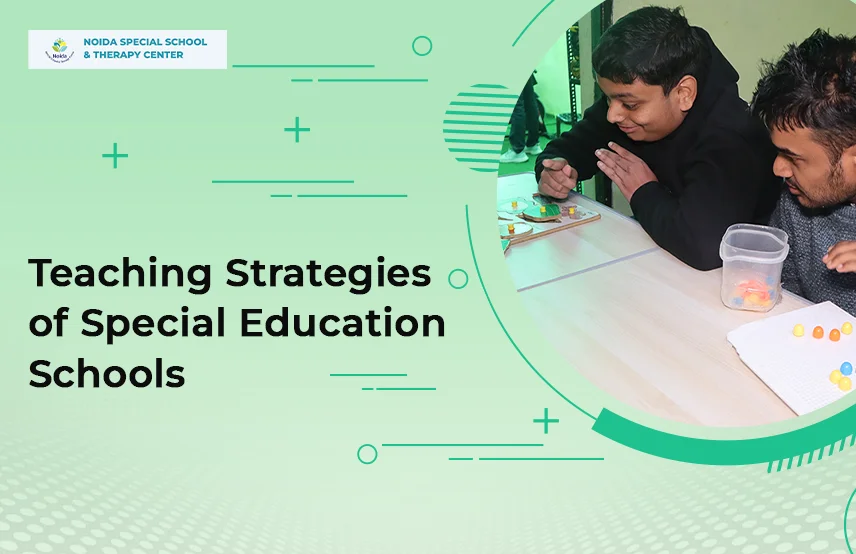
Does curiosity ever hit you, and do you just wonder how the special teachers teach the students with special needs? Do they follow the traditional teaching methods or have different teaching strategies for special kids?
If you don’t know about the teaching strategies of special education schools and are willing to know, then make sure to read this article till the end, as you’ll learn about:
Special education is a type of aid provided to children who are suffering from disabilities, which includes autism spectrum disorder (ASD), developmental delays, learning disabilities, speech impairments, and more.
The special education teachers are special because they empower special students, make them become independent, and nurture them with care to reach their potential.
The thing that sets special education teaching apart is:
Every child has his/her own pace of learning; special education doesn’t force a child to fit in; instead, it develops the crucial skills required in day-to-day life. The following are the key teaching strategies used in special education schools:
1. Individualised Education Programmes (IEPs): This is one of the greatest strategies that contributes to the growth of special kids. The special educators plan customised lesson plans for each and every child according to their learning pace and ability. The teachers set clear and achievable goals, which helps to foster confidence in them.
2. Positive Assistance: Special education teaching strictly follows the rule of positive encouragement rather than giving punishments for small mistakes. This includes giving them simple praise like “Good job" or offering some small rewards after they achieve the goal, as children grow when they feel seen or appreciated.
3. Organised Routines: It is often seen that children often feel nervous when they don’t know what to do next, which is why special teachers create planned routines and schedules for every child, which helps them to predict what activity comes next, so they don’t feel anxious.
4. Technology Integration: Technology plays a crucial role in modern special education, as these teaching services end the learning barrier with the help of various educational apps to make learning more fun and engaging for special kids through games, animations, quizzes, and more to make special learning more interactive.
The following are some of the benefits of the special education teaching:
1. Improved Communication Skills: Communication is not just about speaking; it’s about expressing needs, maintaining the conversation, and understanding the instructions. Special education schools help children who struggle with verbal communication.
2. Better Academic Performance: Special education schools use individualised teaching to understand and match the child’s learning ability, instead of forcing him/her to adapt or adjust to the fixed academic system.
3. Enhanced Social Skills: Every kid is not naturally social, which is why special education schools encourage students to interact with each other through group projects, role-play activities, conversations, and more.
4. Increased Independence: Special education teaching strategies often include developing and teaching life skills, which helps children in becoming independent. The special teachers encourage children to perform the task by themselves, which increases their confidence.
5. Multisensory Teaching: Multisensory teaching includes teaching special kids through more than one sense at a time, which includes seeing, hearing, touching, moving, and more. For visual learners, they use charts, diagrams, notes, and more.
Conclusion
Every child is unique in their own way, which is why at Noida Special School & Therapy Centre, we have professional special therapists and trainers who will look after your child and nurture them with proper care and make them self-dependent.
We are the best special education school in Noida; visit our website at www.noidaspecialschool.com/ or contact us at +91-7838518788 now to connect with us and give your child the best care.
April 09, 2026
March 30, 2026
March 26, 2026
March 13, 2026
March 06, 2026
February 24, 2026
The main teaching strategies used in special education schools include personalised guidance, interactive learning methods, positive encouragement, organised routines, adaptive technology, and more to support children with diverse learning needs.
Teaching in special education schools is often more personalised via Individual Education Plans (IEPs), smaller class sizes, flexible curriculum, therapy integration, and more, which enables children to learn according to their pace and abilities.
Yes, special education teaching strategies can improve social skills by training through group activities, role-playing, peer interactions, and more, which helps to build confidence and communication skills among children with special needs.
Parents can get support from special education teaching strategies at home by maintaining structured routines, using visual aids, promoting positive behaviour, staying in regular communication with teachers, and more to provide consistent support to their child at home.